MAASAI COMMUNITIES
The Maasai are a Nilotic ethnic group primarily inhabiting southern Kenya with an estimated population of over 1.2 million) and northern Tanzania with a population exceeding 1 million.
Recognized globally for their vibrant cultural traditions, pastoralist lifestyle, and coexistence with wildlife, the Maasai remain one of Africa’s most iconic indigenous communities. However, they continue to face systemic marginalization in areas such as land rights, education, healthcare, and economic opportunities.
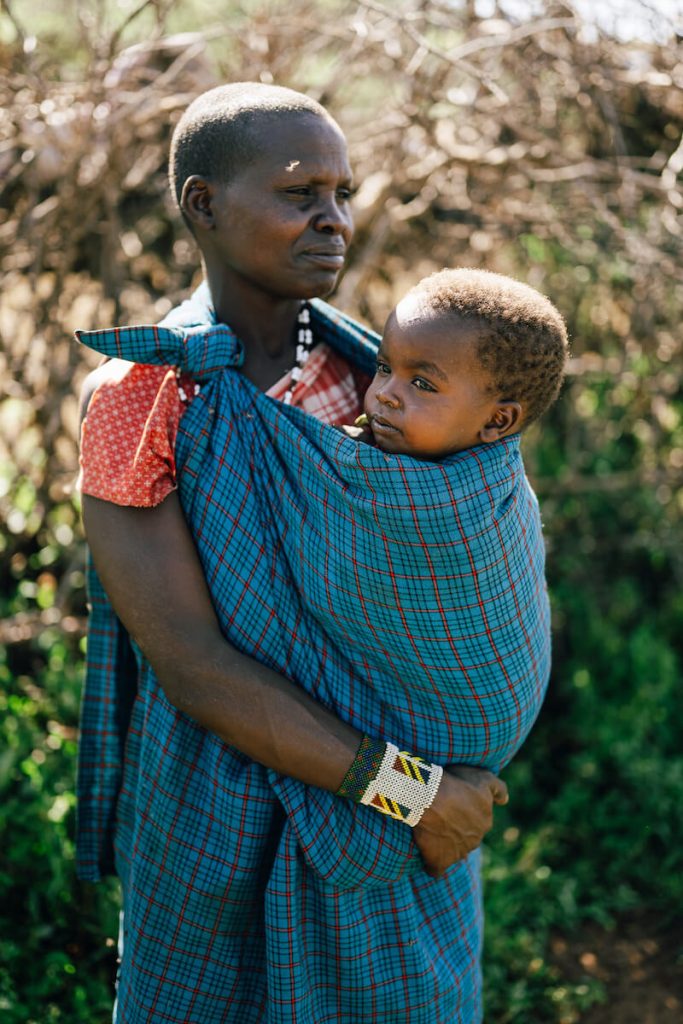
Cultural Identity and Land
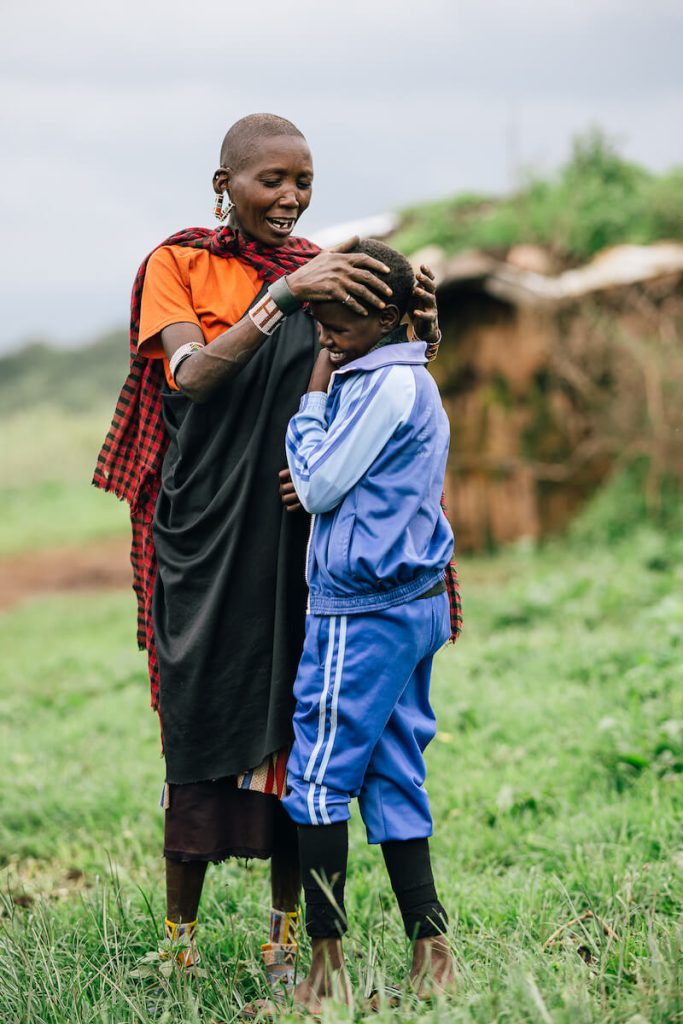
The Maasai are renowned for their rich cultural heritage, including distinctive dress, elaborate beadwork, and traditional ceremonies like Eunoto (warrior graduation) and Enkipaata (coming-of-age rituals).
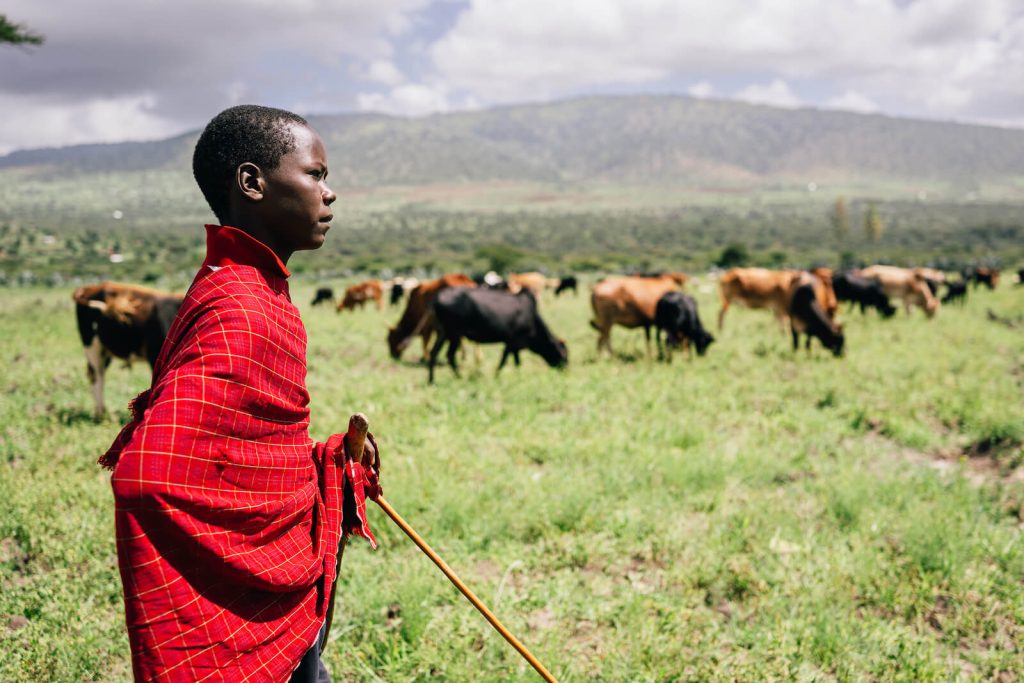
Their semi-nomadic pastoralist lifestyle revolves around cattle, which hold deep economic and symbolic value. Their ancestral lands span some of East Africa’s most ecologically significant regions including
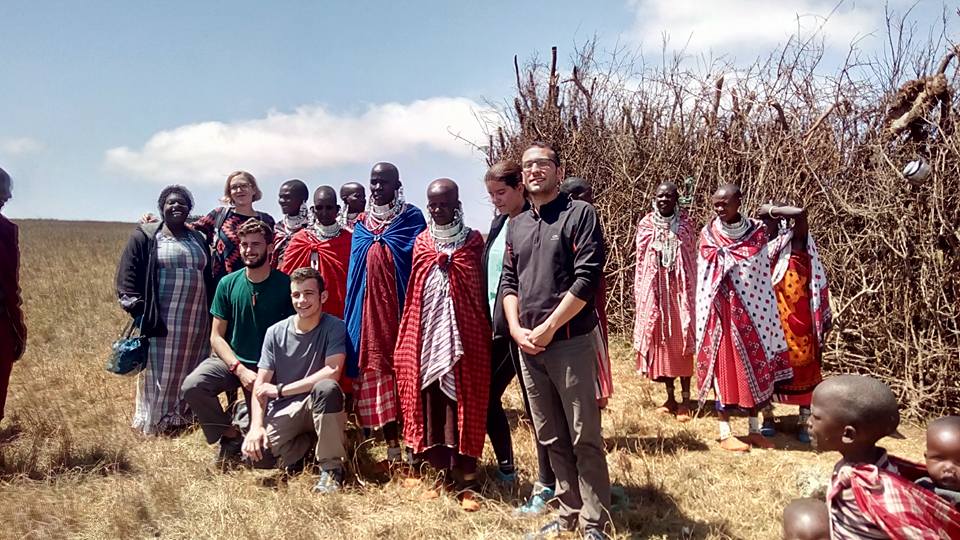

Kenya
The Maasai Mara adjacent to the Serengeti, Amboseli, and Tsavo regions

Tanzania
The Ngorongoro Conservation Area, Serengeti National Park, and Tarangire.
Despite their historical stewardship of these lands, Maasai communities face ongoing land dispossession due to:
- Wildlife conservation policies that restrict grazing rights.
- Government and private land acquisitions for tourism and agriculture.
- Climate change, exacerbating droughts and reducing viable pasture.
Challenges Facing the Maasai
While their cultural resilience remains strong, the Maasai confront multiple modern pressures:
Loss of grazing land leading to conflicts with wildlife and authorities.
Limited access to education and healthcare, particularly in remote areas.
Economic marginalization, with few benefits from tourism revenue generated in their territories.
Cultural erosion as younger generations migrate to cities for work.
Advocacy and Resistance
Maasai activists and organizations continue to fight for:
Land restitution and legal recognition of communal land rights.
Fair compensation from conservation and tourism ventures.
Sustainable development that respects their traditions while improving livelihoods.
Internationally, the Maasai have gained support from human rights and indigenous rights groups, but significant challenges remain in securing their future.
The Maasai often sell livestock only to meet urgent needs school fees, medical emergencies, or food shortages leaving them vulnerable to economic shocks.
The Impact of COVID-19 and Other Crises
The pandemic exacerbated existing vulnerabilities in Maasai communities, particularly due to:
Limited healthcare access and awareness.
Collapse of tourism-related income craft sales, cultural tours.
Increased food insecurity as markets and trade were disrupted.
Without intervention, these pressures risk erasing Maasai traditions and livelihoods entirely.
How MACAO is Making a Difference
MACAO Alternative Livelihoods for Maasai Sustainability Initiative works to strengthen Maasai resilience through sustainable, community-led solutions that:
Diversify Income Sources
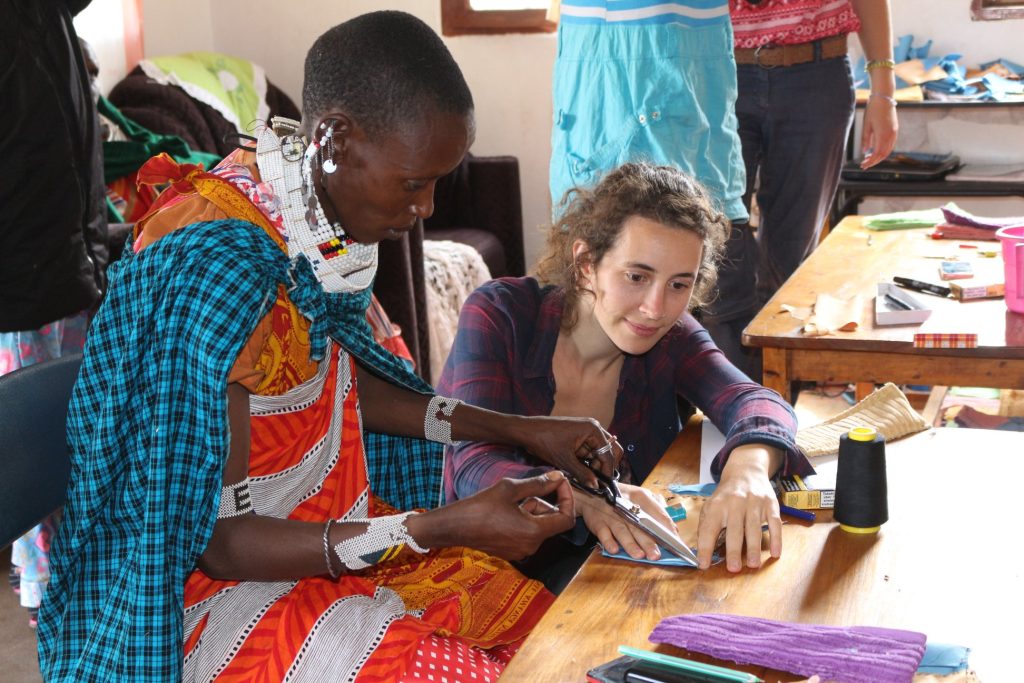
Introduce alternative livelihoods (e.g., eco-friendly businesses, sustainable agriculture) to reduce reliance on livestock. Empower women through income-generating activities, recognizing their pivotal role in community stability.
Support Education for Girls
Provide scholarships to bright but economically disadvantaged girls, breaking cycles of poverty through education.
Strengthen Climate Adaptation
Promote awareness and skills to combat climate change impacts. Advocate for land rights and fair compensation for displaced communities.
Improve Health and Wellbeing
Educate communities on disease prevention and healthcare access. Address gender disparities by empowering women and girls.
Why This Matters
Without immediate action, the Maasai’s ancient culture and way of life face extinction. MACAO believes in bottom-up, culturally sensitive approaches to ensure:
Economic resilience
Reduced vulnerability to droughts, market shifts, and land loss.
Cultural preservation
Protecting traditions while adapting to modern challenges. Gender equality – Investing in women and girls as key drivers of change.
Join us in safeguarding the future of the Maasai people—because their survival is a testament to the resilience of indigenous cultures worldwide.