Community work
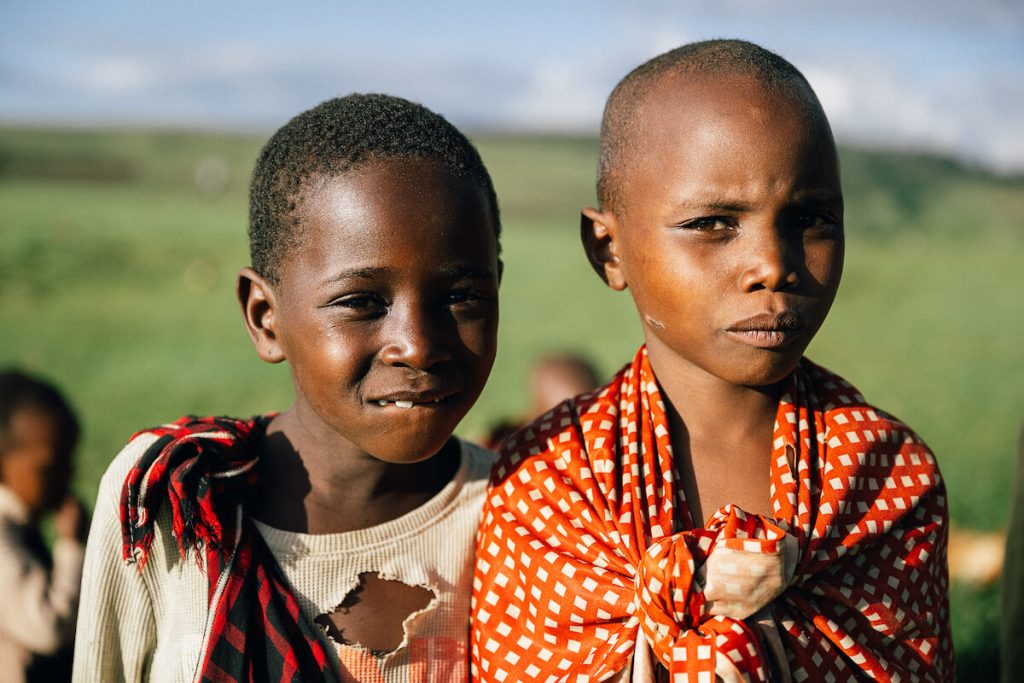
MACAO’s community work meets families where the need is greatest, with HIV/AIDS prevention, testing and treatment support, clean water and sanitation, and care for orphans and vulnerable children. Through open community sessions, we tackle the root causes that keep families from staying healthy and children from staying in school.
Outreach
Real change in Ngorongoro doesn’t start with an ambitious project. It starts with trust. Our founder has been walking into these Maasai communities for years, sitting with elders, mothers and girls, listening long before acting. That presence, season after season, has earned her something no outside organisation can buy: the community’s confidence. She was even elected as the Maasai Women’s leader while not being Maasai herself, awarding the ultimate vote of confidence from the communities.
Because she is known and trusted, doors open that stay closed to others. Families who might turn away an unfamiliar NGO will talk openly about the hardest subjects — girls’ education, female genital mutilation, health. That trust is exactly what lets MACAO reach the children who need help most, and turn sensitive conversations into lasting change on the ground.
Trust like this is powerful, but it is not self-sustaining. Reaching remote families takes time, travel and people on the ground. Every girl kept in school, every awareness session held, every household visited depends on resources. With funding, we can keep showing up, keep earning that trust, and advocating for the communities rights.


Water
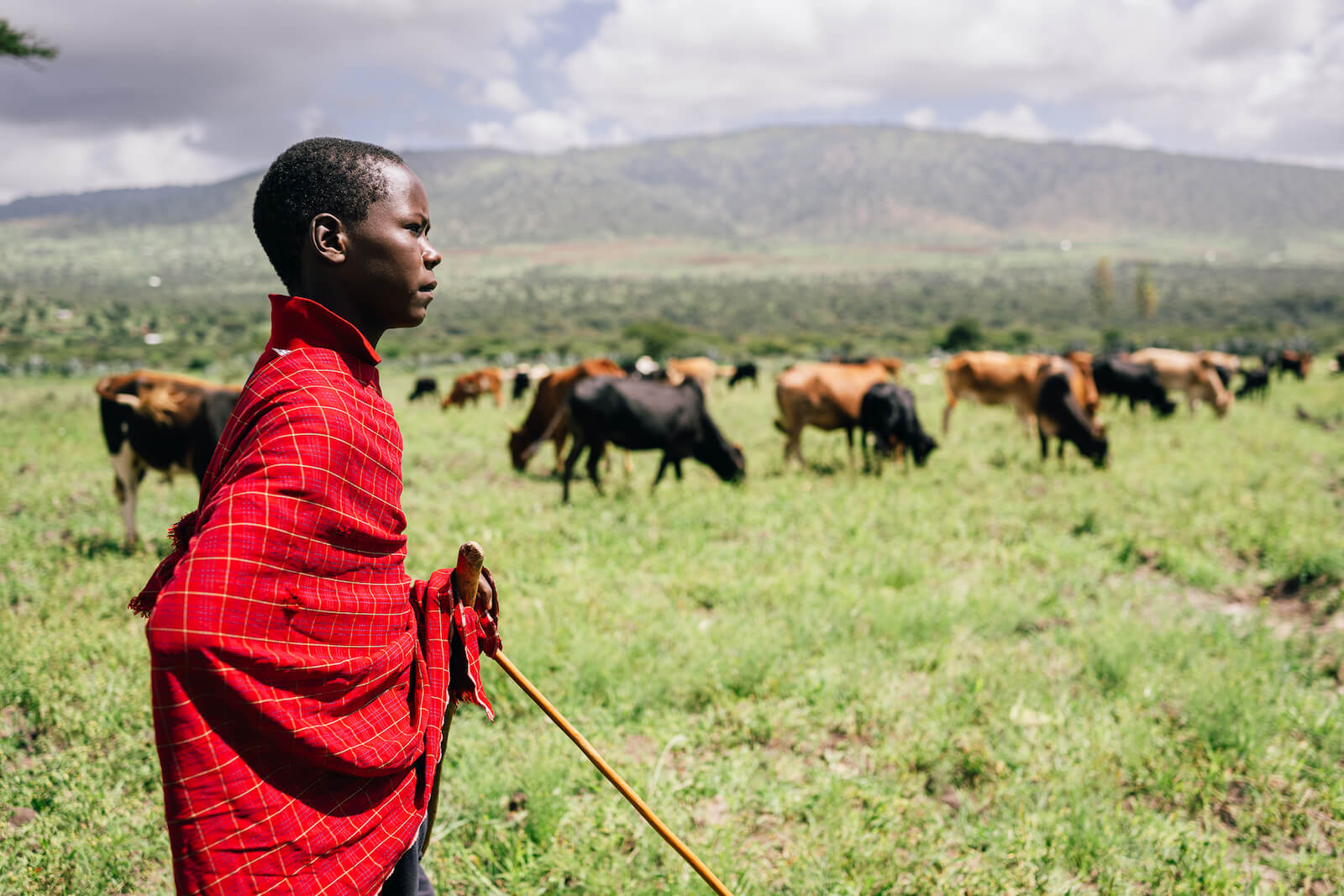
There is no piped water and no electricity in the villages around us. By the end of the dry season, people and their herds come down to whatever surface water is left — the same water used by cattle, sheep, baboons and elephants. Families boil it and wait a day to see whether it is safe. Women and children walk hours to fetch it.
One of our current top missions is to get funding for a water well, centrally located for countless families. This would mean no more walking 8+ hours for water and no more cattle (and elephants!) dying.
Health and hygiene
MACAO was born out of the HIV/AIDS crisis. In 2003, as the epidemic hit northern Tanzania, Ngorongoro’s remote pastoralist communities were among the hardest to reach — far from testing and treatment, and held back by stigma. That emergency is what brought MACAO into being. More than twenty years on, HIV/AIDS remains an important pillar of our work, carried out hand in hand with the Ngorongoro District Government, and we warmly welcome medical students and health professionals to join us in the field alongside both our team and the district.
